Black Soldier Fly Larvae and their potential for growth
Using BSFL for Animal Feed
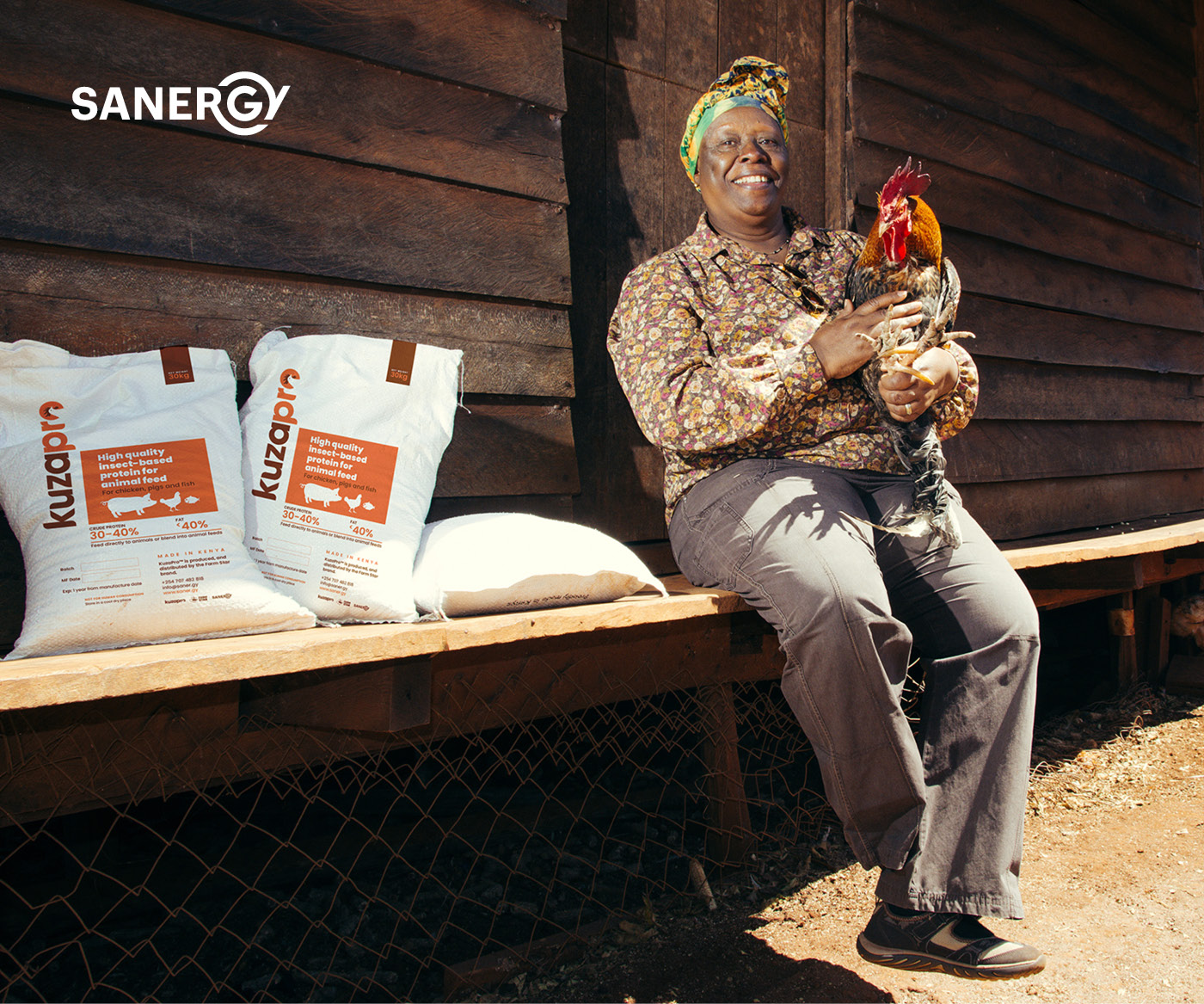
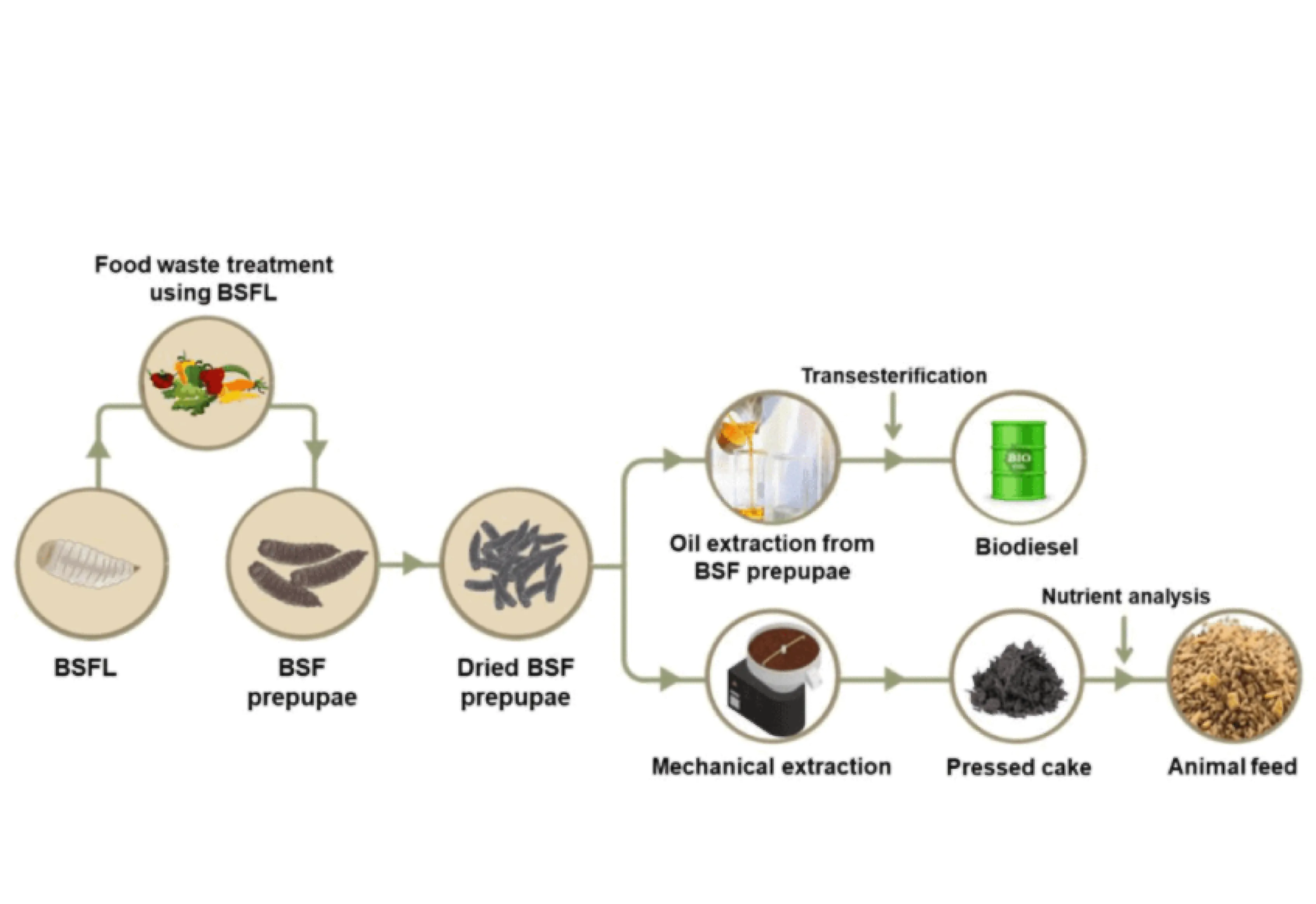
BSFL have long been used as an effective source of animal feed due to their high protein content, and other beneficial nutrients. This makes them an ideal choice for livestock farmers who need to provide their animals with a well-balanced diet. Additionally, since BSFL can be raised in large numbers in small spaces with minimal resources, they offer cost savings over traditional sources of animal feed like soybeans or corn.
Composting With BSFL
In addition to being used as animal feed, black soldier fly larvae can also be used for composting purposes. When fed organic waste materials like kitchen scraps or garden clippings, the larvae break down the organic material quickly into nutrient-rich soil that can be used in gardens or flower beds. The process is much faster than traditional composting methods like burying food scraps or using large piles of manure and leaves that take months to turn into usable soil. This makes BSFL an attractive option for those looking to reduce their environmental impact while still producing quality soil quickly and efficiently.
The Potential for Growth
The use of black soldier fly larvae is still relatively new but is rapidly gaining traction among businesses seeking more sustainable practices. As more people become aware of the benefits that these flies offer—such as cost savings, environmental friendliness, and convenience—the demand for them will continue to grow in both the animal feed and composting markets. Furthermore, research is being conducted on additional uses such as bioremediation (using organisms to clean up contaminated sites) and energy production (feeding them waste materials to produce biofuel). With so much potential for growth and development, it seems likely that black soldier fly larvae will continue to play a significant role in a variety of industries in the years ahead.
The black soldier fly is a valuable species with numerous uses in various industries. These uses range from their inclusion in animal feed and fertilizer to bioconversion processes that convert organic waste into useful substances. Moving forward, we can expect to see further advancements in the use of black soldier fly larvae as more sustainable solutions for agriculture, animal husbandry and other commercial activities.