What are the white windows of Black Soldier Fly for?

BSF White Windows Function Explained
The Black Solider Fly (BSF) white windows function is an intriguing feature that has attracted growing attention in insect physiology research. These translucent or pale areas on the abdomen of the Black Soldier Fly may play roles related to light transmission, signaling, or internal physiological processes. Understanding this characteristic could provide deeper insights into the biology and adaptive functions of this species.
What is the BSF white windows function?
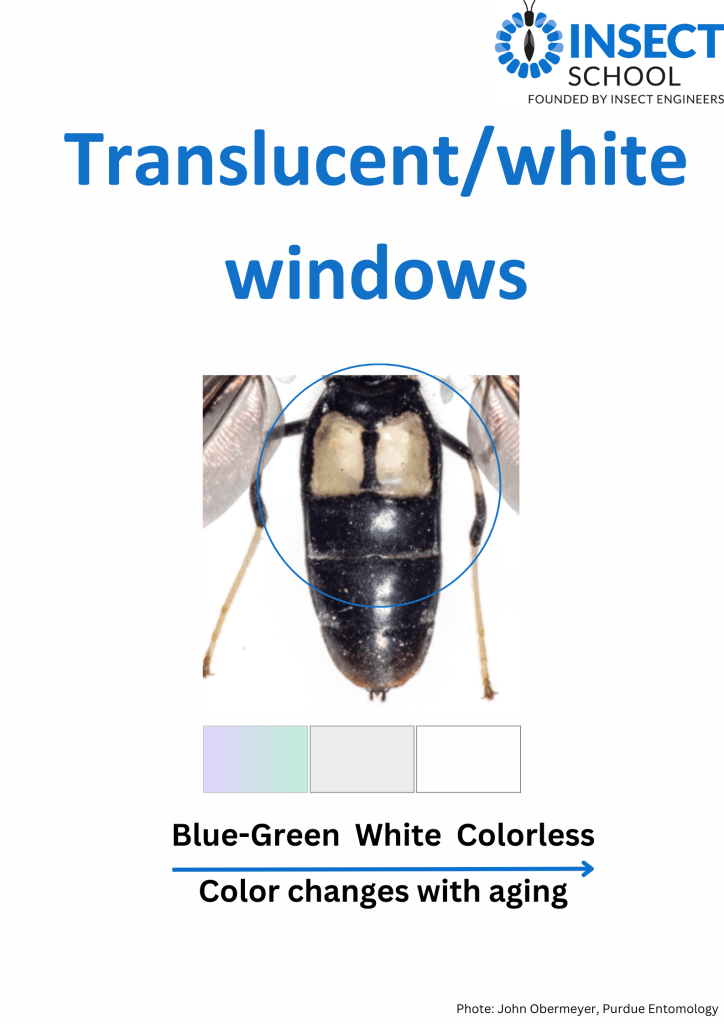
Black Solider Fly (BSF) has a dark-colored body, but their abdomen can be translucent in appearance, looking like white windows. The function of the translucent abdomen in this species is not fully understood, but it could potentially serve several purposes.
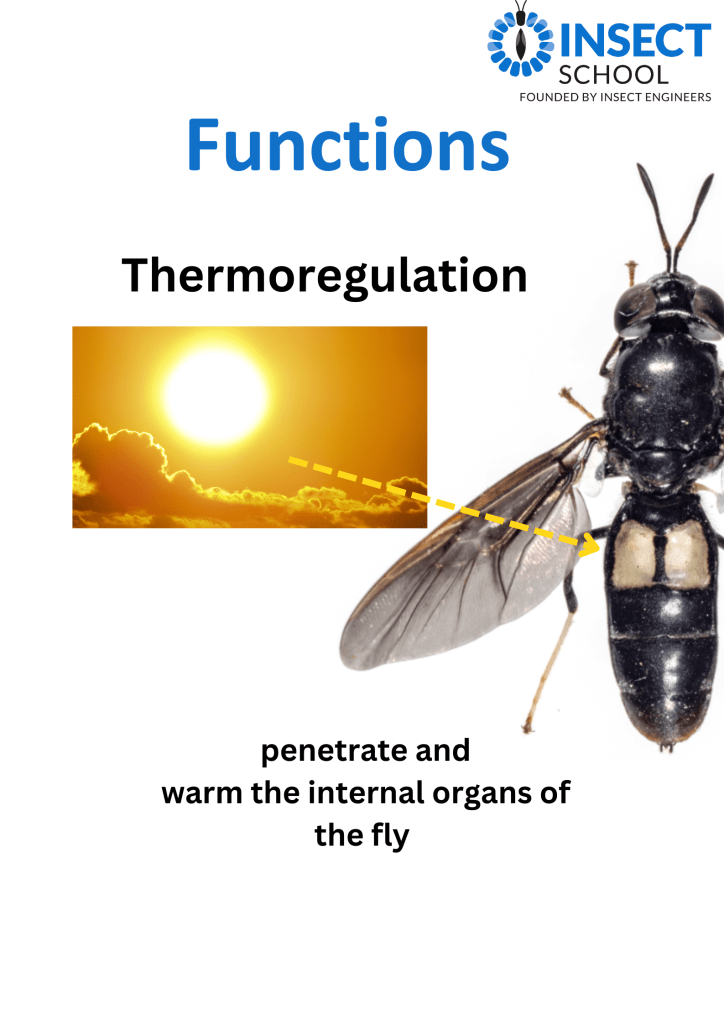
One possible function of a translucent abdomen in black soldier flies is thermoregulation. The transparency of the abdomen may allow sunlight to penetrate and warm the internal organs of the fly, which could help regulate its body temperature. This could be particularly important for black soldier flies, which are cold-blooded and rely on external sources of heat to regulate their body temperature.
Another potential function of the translucent abdomen is communication. Like other flies, black soldier flies use visual cues to communicate with one another. The coloration and patterns of the abdomen could play a role in this type of communication.
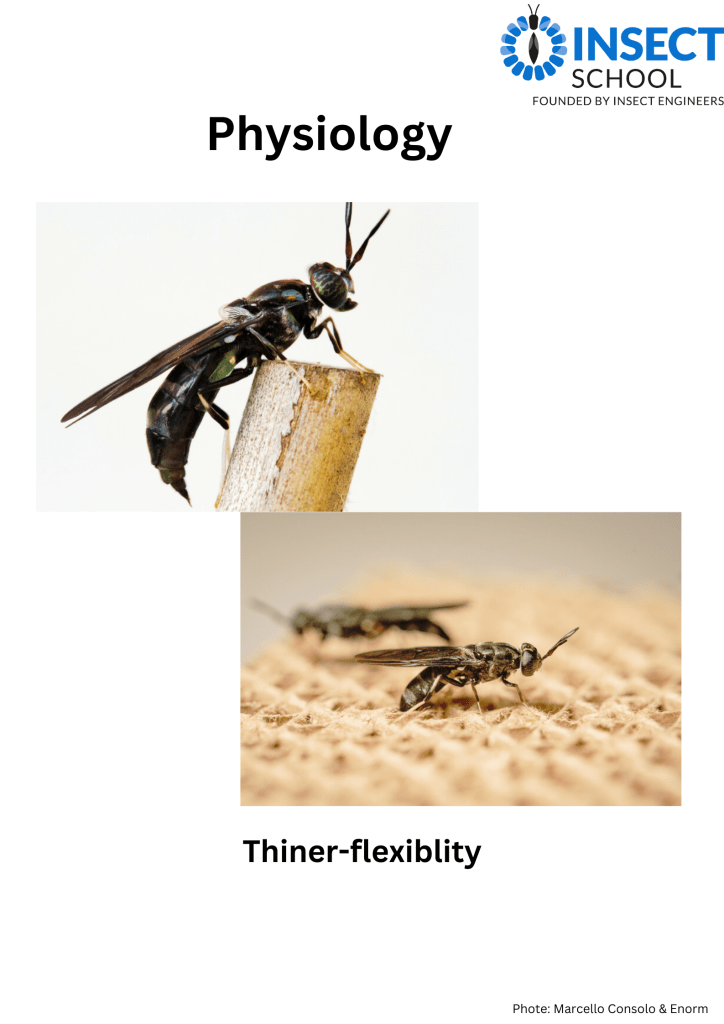
Finally, the transparency of the abdomen may simply be a byproduct of the physiology of black soldier flies. The cuticle or exoskeleton of the abdomen may be thinner or less pigmented than other parts of the body, resulting in a more translucent appearance.
Overall, the function of the translucent abdomen remains unclear. It may support thermoregulation or communication. It could also result from the structural properties of the exoskeleton.
Additional Insights
The BSF white windows function may also relate to light sensitivity and behavioral adaptation. These translucent areas could allow a small amount of light to enter the abdomen. This may help the insect detect environmental changes such as light intensity and day length. Such sensitivity can influence activity patterns, including mating and movement.
Another possible role of the BSF white windows function involves internal physiological regulation. The translucent cuticle may support heat distribution inside the body. Instead of only warming the surface, light penetration could help maintain a more stable internal temperature. This would be beneficial in fluctuating environmental conditions, especially in outdoor or semi-controlled farming systems.
In addition, the BSF white windows function may vary across developmental stages or environmental conditions. Factors such as age, diet, and light exposure could influence how visible these translucent areas appear. This suggests that the feature may not have a single fixed function, but rather a combination of adaptive roles.
From a practical perspective, understanding the BSF white windows function could support better farm management. For example, light conditions in rearing facilities may affect insect behavior and performance. By optimizing lighting strategies, producers may improve mating success and overall productivity.
Further research is still needed to confirm these hypotheses. However, the BSF white windows function remains a promising area of study in insect biology and sustainable production systems.