Gene Editing in Black Soldier Flies

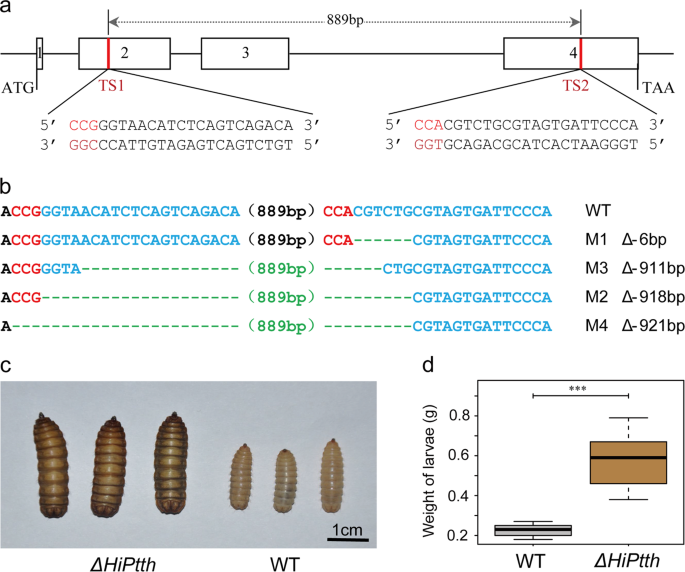
In the evolving field of genetic research and biotechnology, black soldier flies (BSF) are gaining attention. Recent studies show that scientists can edit BSF genes using advanced tools.
This breakthrough opens new possibilities. In particular, it can impact agriculture, waste management, and sustainable practices.
The Power of Gene Editing
Gene editing allows scientists to modify genetic material with precision. One key tool is CRISPR-Cas9. It is widely known for its accuracy and efficiency.
As a result, researchers can target specific genes and make controlled changes. Its application in BSF could transform how we use these insects in different industries.
Key Findings in BSF Gene Editing
Recent research has demonstrated that gene editing tools can be effectively applied to black soldier flies. This development opens the door to several intriguing possibilities:
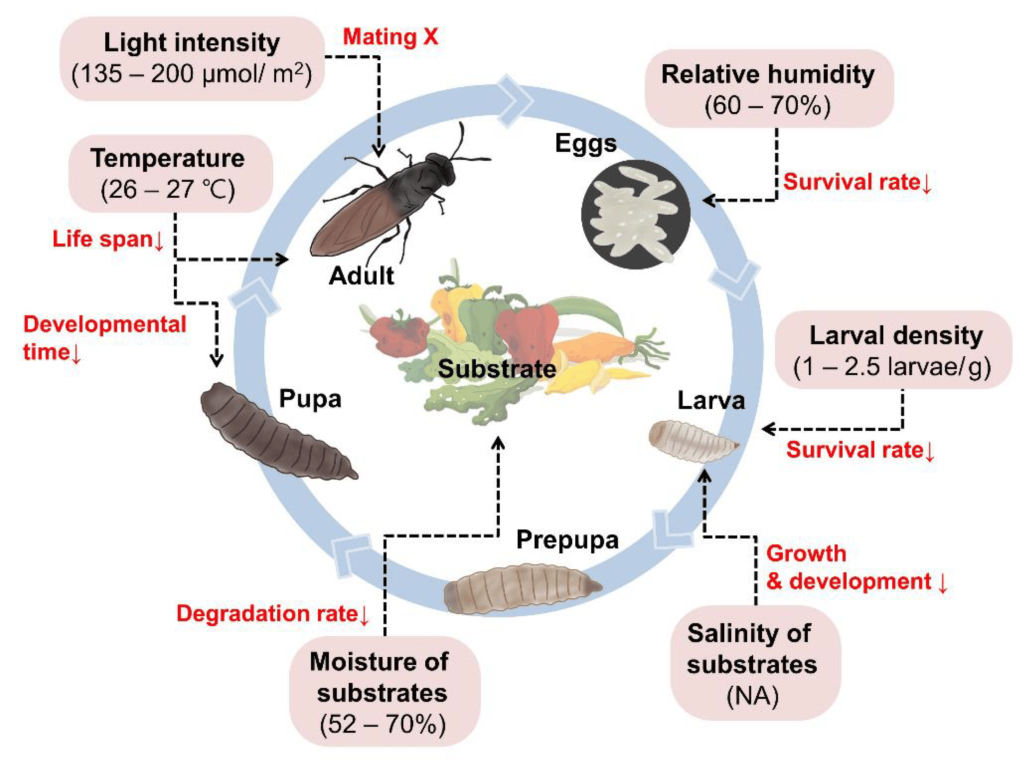
- Enhancing Waste Decomposition: By editing specific genes in black soldier flies, researchers may be able to optimize their waste decomposition capabilities, making them even more efficient at breaking down organic matter.
- Increased Nutrient Content: Gene editing could be employed to boost the nutrient content of black soldier fly larvae, further enhancing their value as a sustainable protein source in agriculture.
- Resistance to Diseases: The ability to modify BSF genes may lead to the development of disease-resistant strains, safeguarding black soldier fly populations against potential threats.
- Biofuel Production: Gene editing might enable the customization of black soldier fly larvae for higher oil production, potentially making them a more viable source for biodiesel and other biofuels.
Sustainable Agriculture and Waste Management
Black soldier flies have already demonstrated their potential as valuable contributors to sustainable agriculture and waste management. Gene editing provides a new dimension to their potential applications:
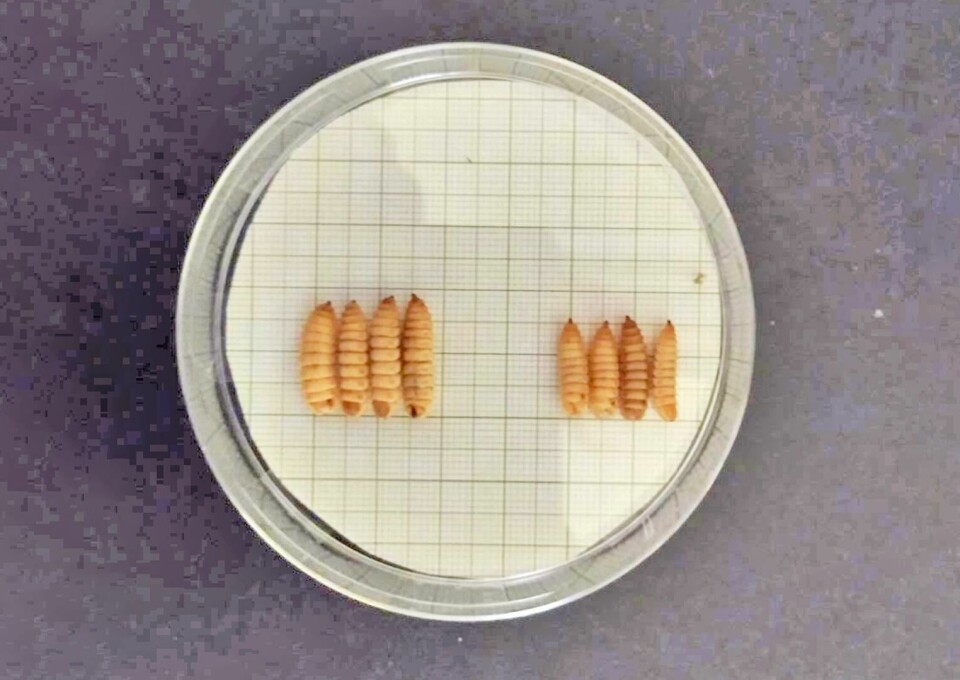
- Nutrient Recycling: Edited BSF strains could become even more efficient at converting organic waste into nutrient-rich biomass, which can be used as animal feed or organic fertilizers.
- Protein Production: By optimizing their genetic makeup, black soldier flies could become even more significant as a sustainable source of protein for livestock and aquaculture.
- Circular Economy: Gene-edited BSF could play a pivotal role in a circular economy, where waste materials are upcycled into valuable resources.
Challenges and Ethical Considerations
While the prospects of gene editing in black soldier flies are exciting, they also come with challenges and ethical considerations. Ensuring the responsible use of this technology is paramount, along with addressing potential ecological and regulatory concerns.
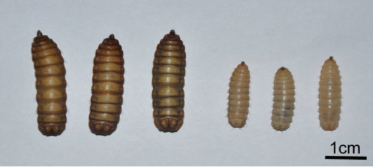
The ability to edit BSF genes marks a major step forward. It improves our understanding of these insects. Moreover, it creates opportunities to enhance their performance.
For example, gene editing may improve waste decomposition. It may also increase nutrient content.
Ultimately, BSF could play a larger role in solving environmental and agricultural challenges. As research continues, further innovations are likely to follow.
For more information about:
- Insect Bioconversion of Waste, please contact us at the Insect school. https://www.insectschool.com/
- Turnkey Insect Farms – https://www.insectengineers.com/bsfturnkey/production
- If you would like to book BSF industry keynote speaker Bob Holtermans for your event – https://www.insectengineers.com/about-us/speaker-bobholtermans