Bioconversion of Organic Waste into Lauric Acid

Hermetia illucens Larvae Bioconversion of Organic Waste into Lauric Acid
A study by Leong et al. (2015) focuses on Hermetia illucens, also known as the black soldier fly larvae. It highlights the species’ ability to convert organic waste into lauric acid.
Lauric acid is a valuable fatty acid with many industrial uses. This study explores how different organic wastes affect its production during bioconversion.
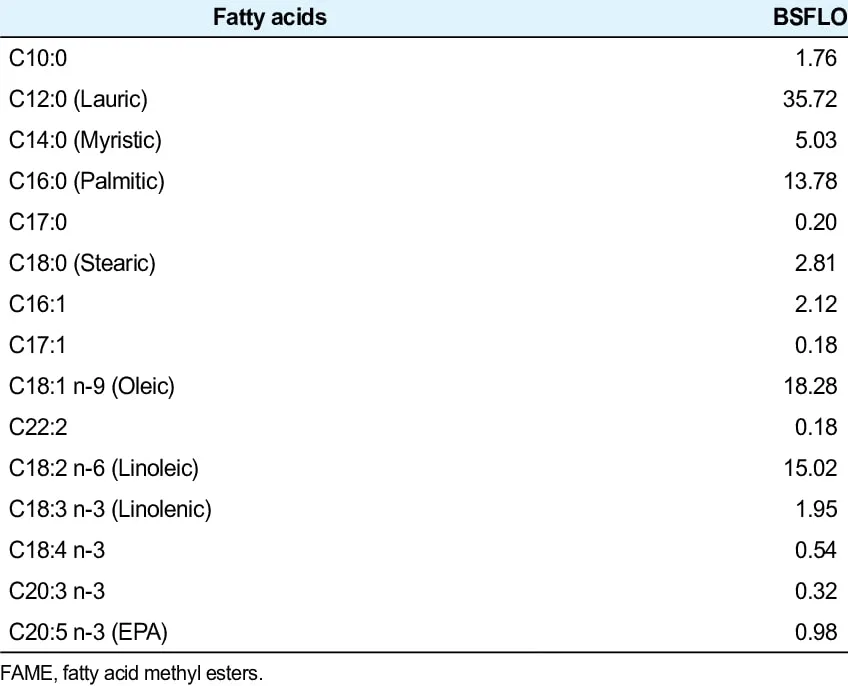
The Bioconversion Potential of Hermetia illucens
Black soldier fly larvae efficiently convert organic waste into useful resources. These include proteins and lipids.
Leong et al. focus specifically on lauric acid production. They show how larvae can transform waste into a commercially valuable fatty acid.
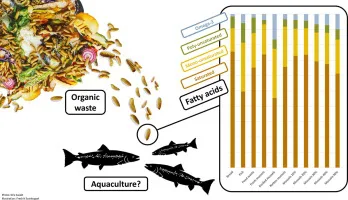
Comparative Analysis of Organic Waste
The study compares different organic waste substrates. These include kitchen waste and agricultural by-products.
It examines how substrate composition affects lauric acid yield. It also evaluates how it influences fatty acid quality during bioconversion.
Lauric Acid Yield and Quality
The researchers measured lauric acid production across all substrates. They analyzed both quantity and quality.
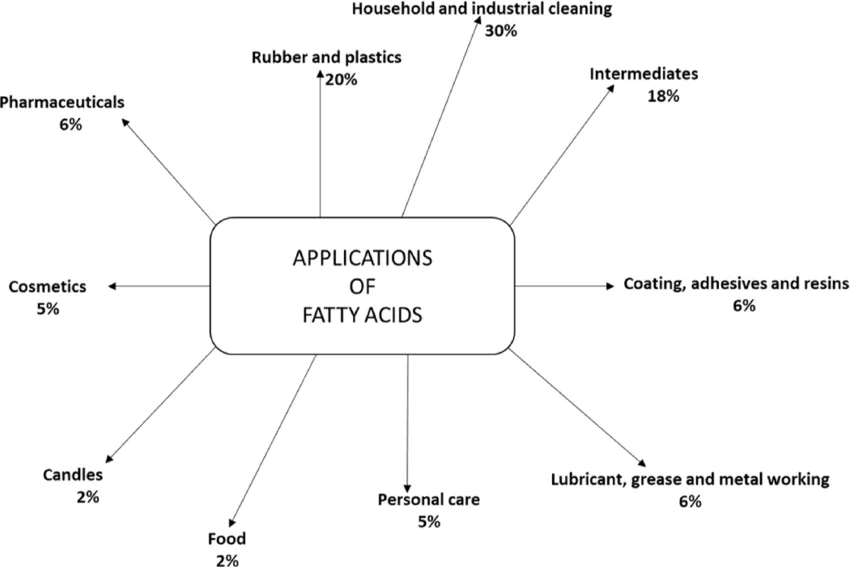
This is important because lauric acid is widely used in soap and cosmetic production.
Insights into Optimal Conditions
The study also identifies optimal production conditions. Key factors include substrate composition, larval density, and processing time.
These variables strongly influence the efficiency of lauric acid synthesis.
Industrial Applications and Sustainability
The findings support more sustainable lauric acid production. Organic waste can serve as a low-cost substrate.
As a result, industries can reduce reliance on conventional raw materials. This approach also supports circular economy models.
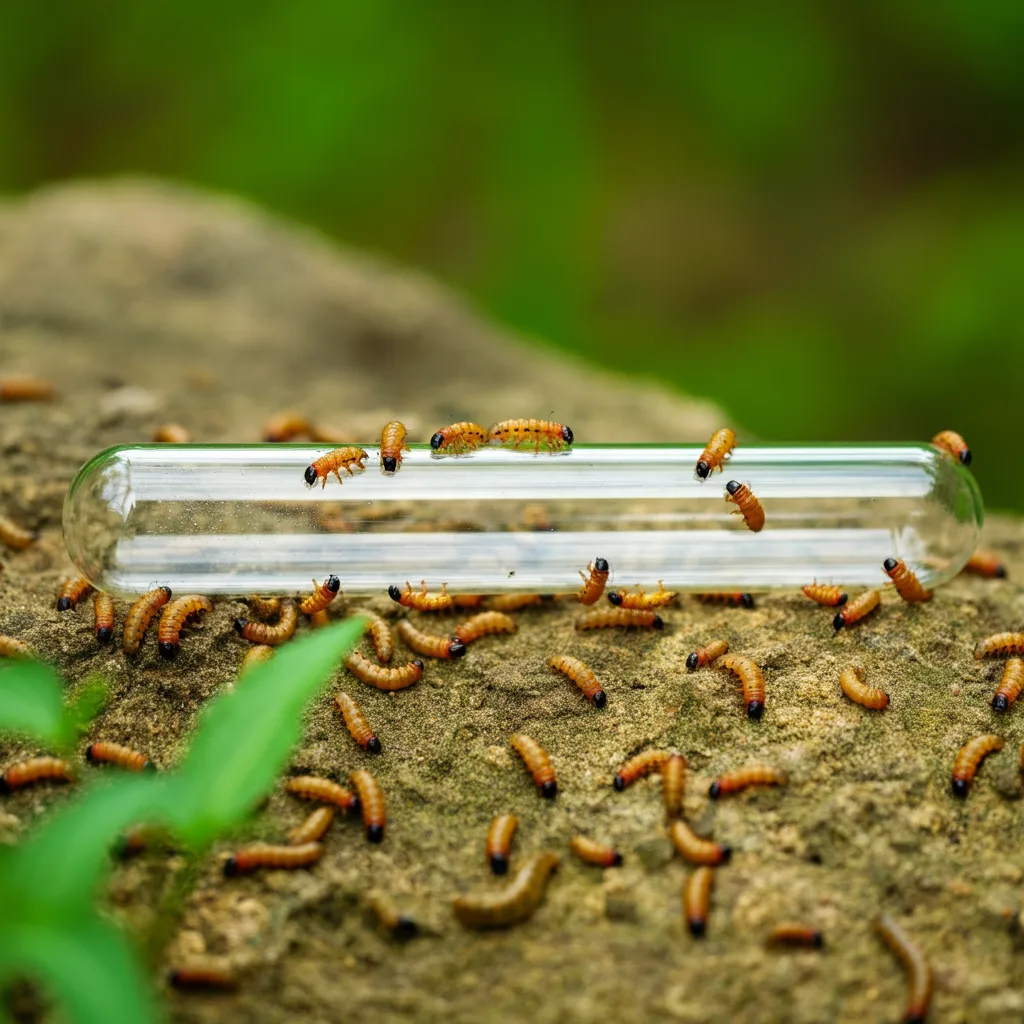
Leong et al.’s study highlights the strong potential of Hermetia illucens larvae. They can convert organic waste into high-value lauric acid.
Overall, this research supports waste-to-value strategies. It also promotes more sustainable and resource-efficient production systems.
For more information about:
- Insect Bioconversion of Waste, please contact us at the Insect school. https://www.insectschool.com/
- Turnkey Insect Farms – https://www.insectengineers.com/bsfturnkey/production
- If you would like to book BSF industry keynote speaker Bob Holtermans for your event – https://www.insectengineers.com/about-us/speaker-bobholtermans