Shall we re-feed 5-day-old Black Soldier Fly larvae?

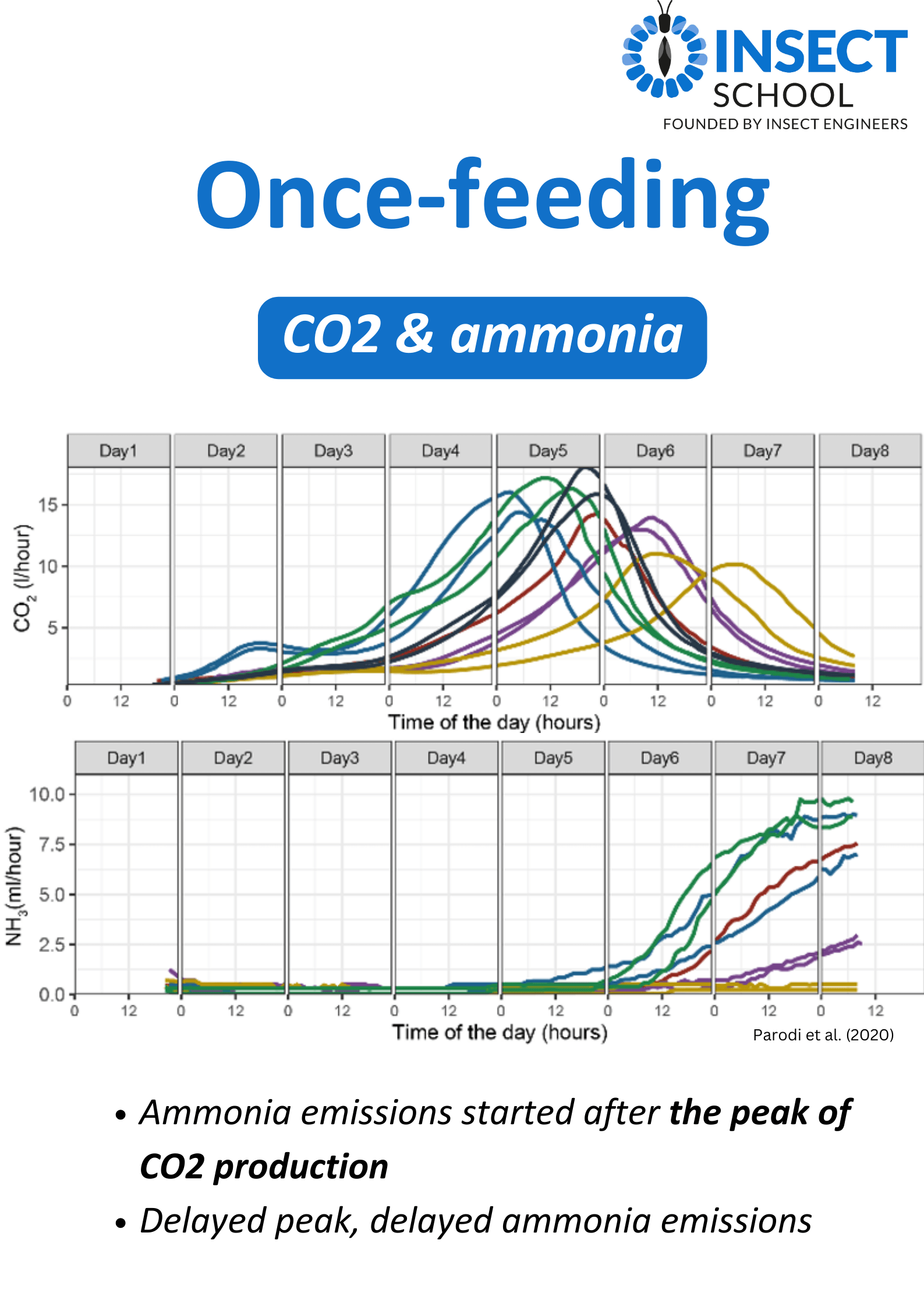
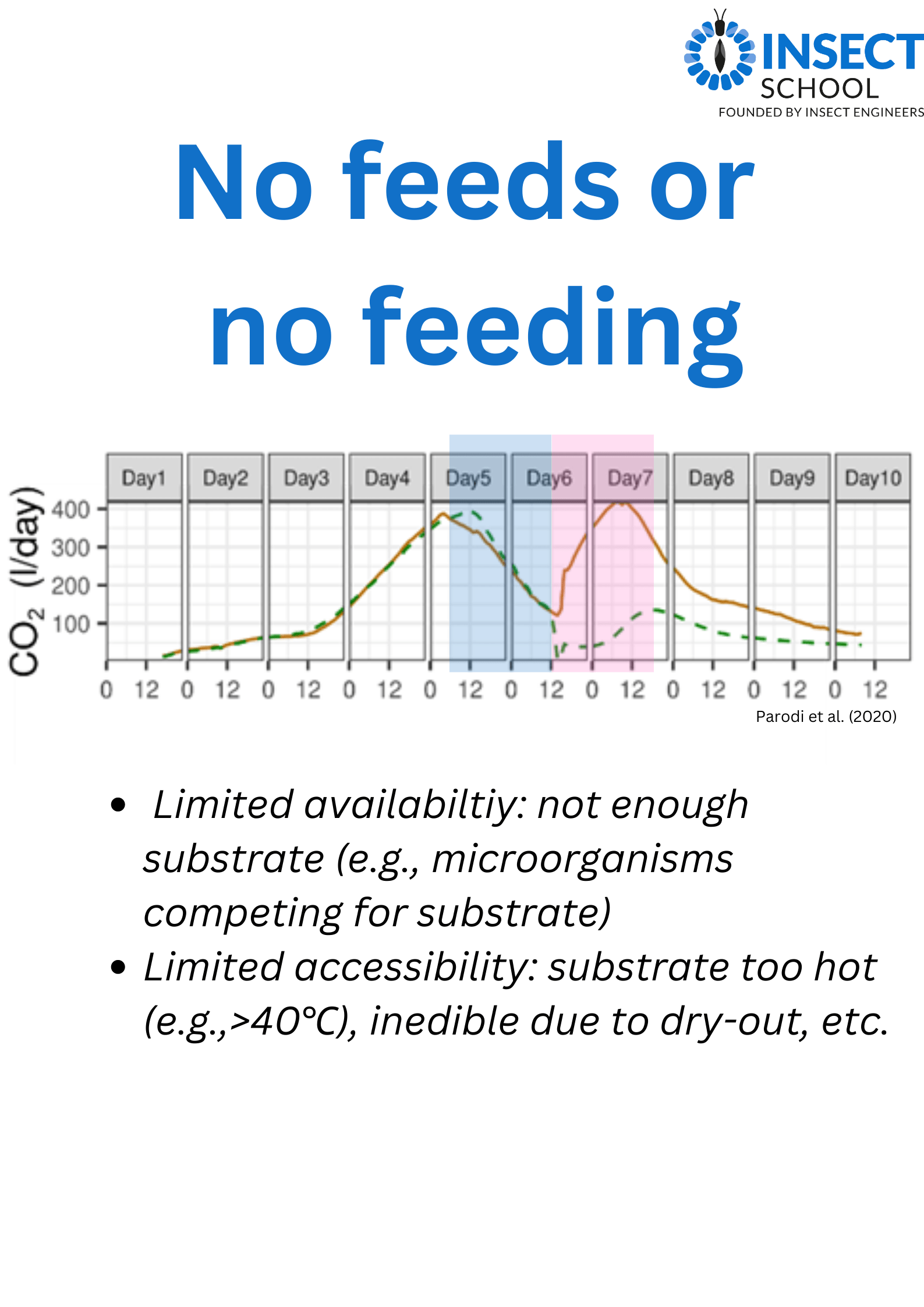
Refeed BSF larvae is a feeding strategy that improves substrate use and reduces losses during production. In many systems, farmers feed 5-day-old larvae (5-DOL) only once and allow them to grow for 6–9 days until harvest. During this long exposure, microorganisms actively break down the substrate. This process leads to spoilage, volatilization, and reduced feed availability for the larvae.
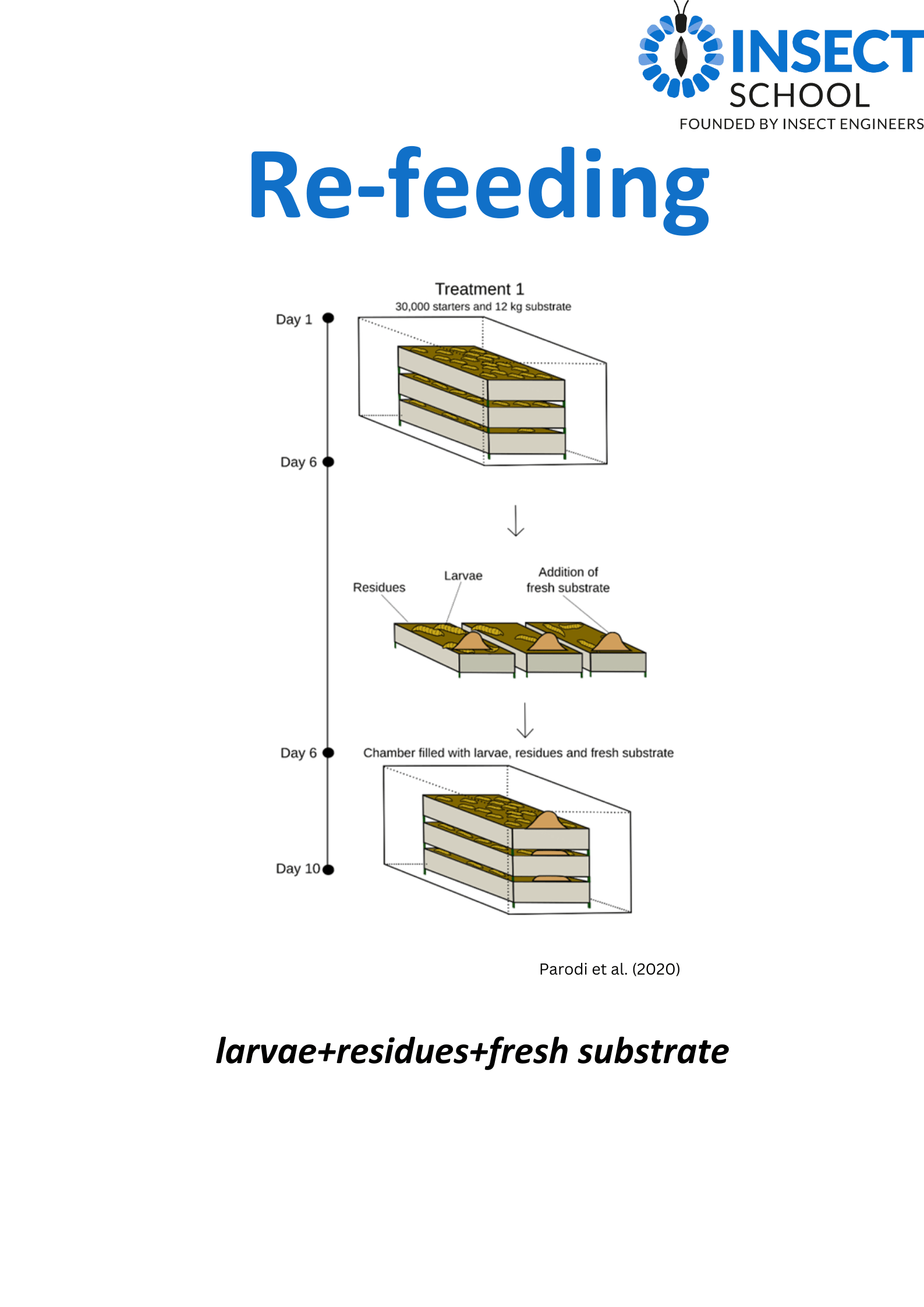
A refeeding approach can solve this issue. Instead of providing all feed at once, farmers add fresh substrate in multiple steps. This method helps maintain feed quality and ensures larvae always have access to nutrients.
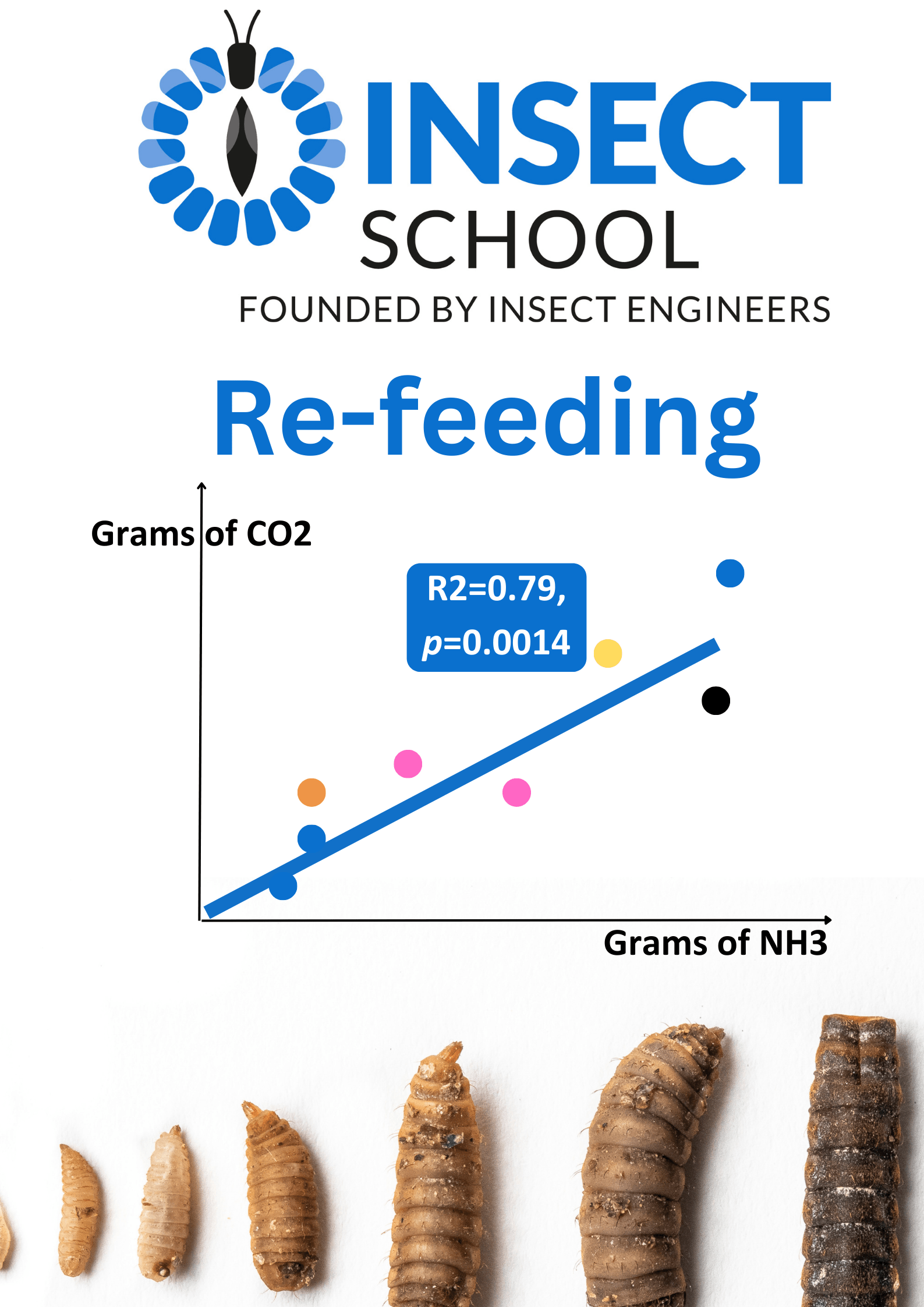
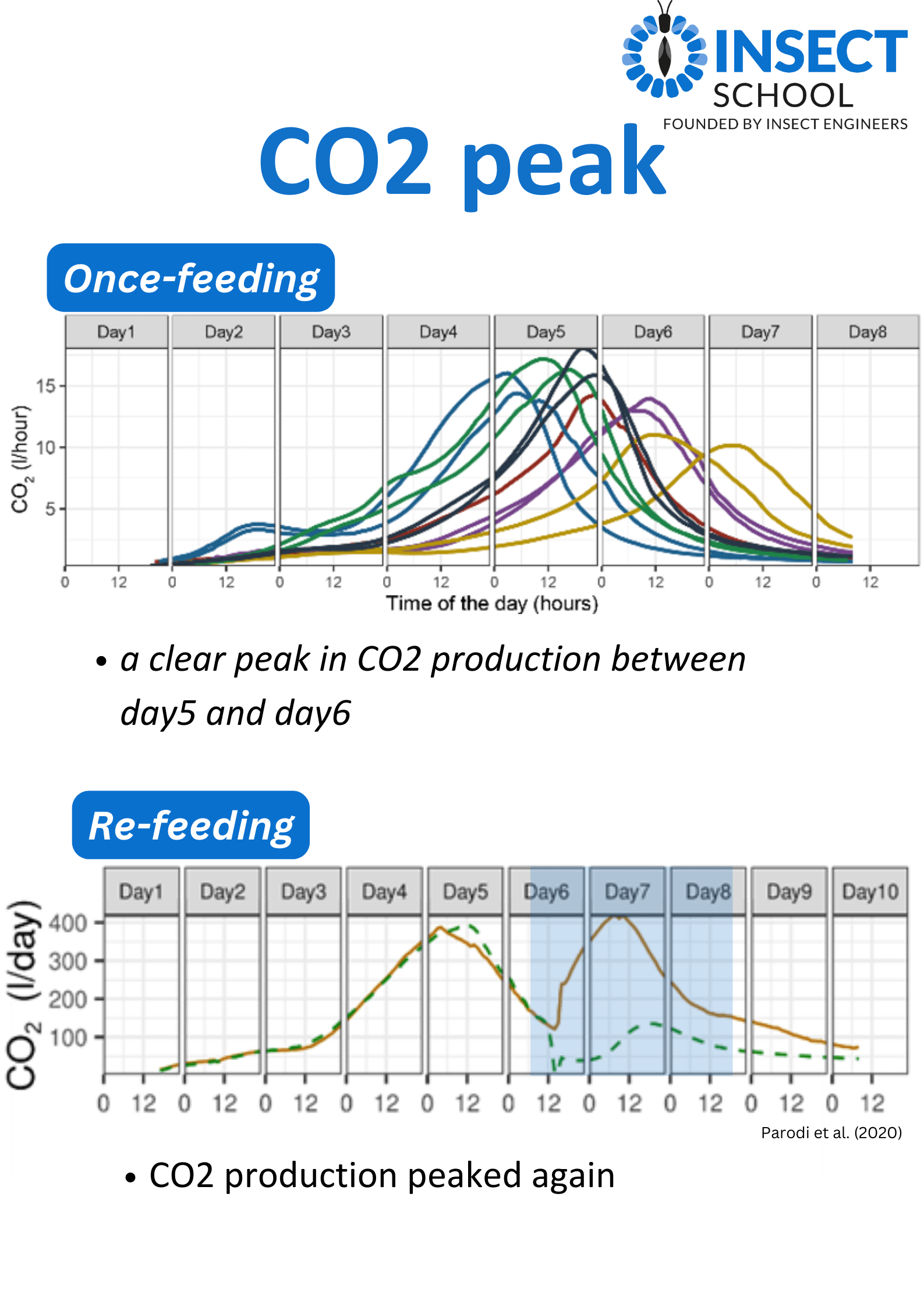
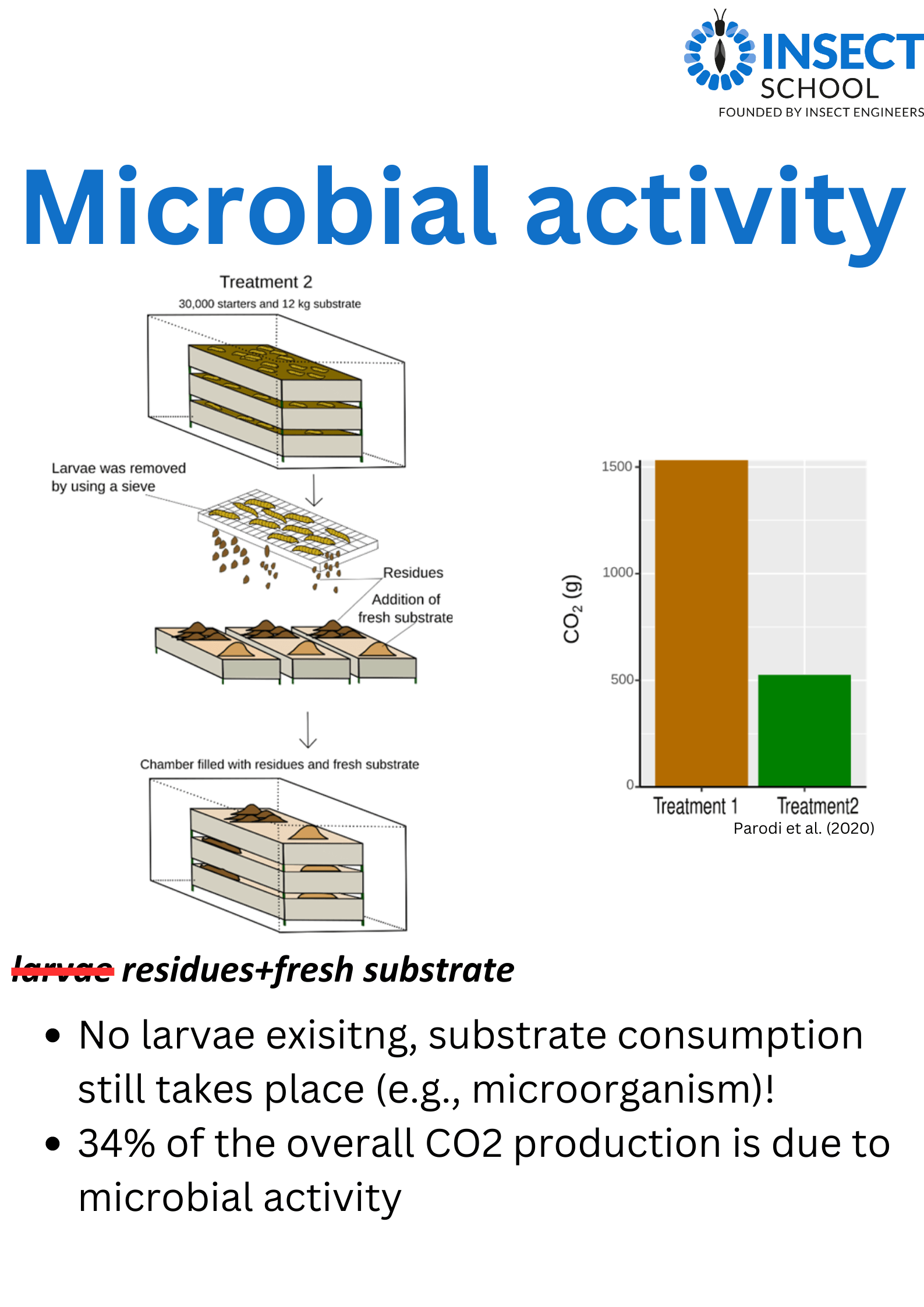
Parodi et al. (2020) showed that adding fresh substrate to larval residues (frass and uneaten feed) increases CO₂ production due to microbial activity. Microbial respiration can account for up to 34% of total emissions. This activity consumes part of the substrate and generates excess heat, which raises the substrate temperature and reduces feeding efficiency.
Farmers should rethink feed conversion efficiency in this context. When microorganisms consume too much substrate, larvae receive less nutrition. By applying a refeed BSF larvae strategy, producers can reduce microbial losses and improve feed availability for the larvae.
Although beneficial bacteria can support digestion, excessive fermentation can harm larval growth. A controlled refeeding strategy helps balance microbial activity and larval performance, leading to better efficiency and more stable production outcomes.
#blacksoldierfly #co2 #ammonia #feeding #microbes #substrates #wastemanagement #insectfarming