GHG, CO2e, Carbon emissions: what do all these terms mean?
#GHG, #CO2e, #Carbon emissions: what do all these terms mean?
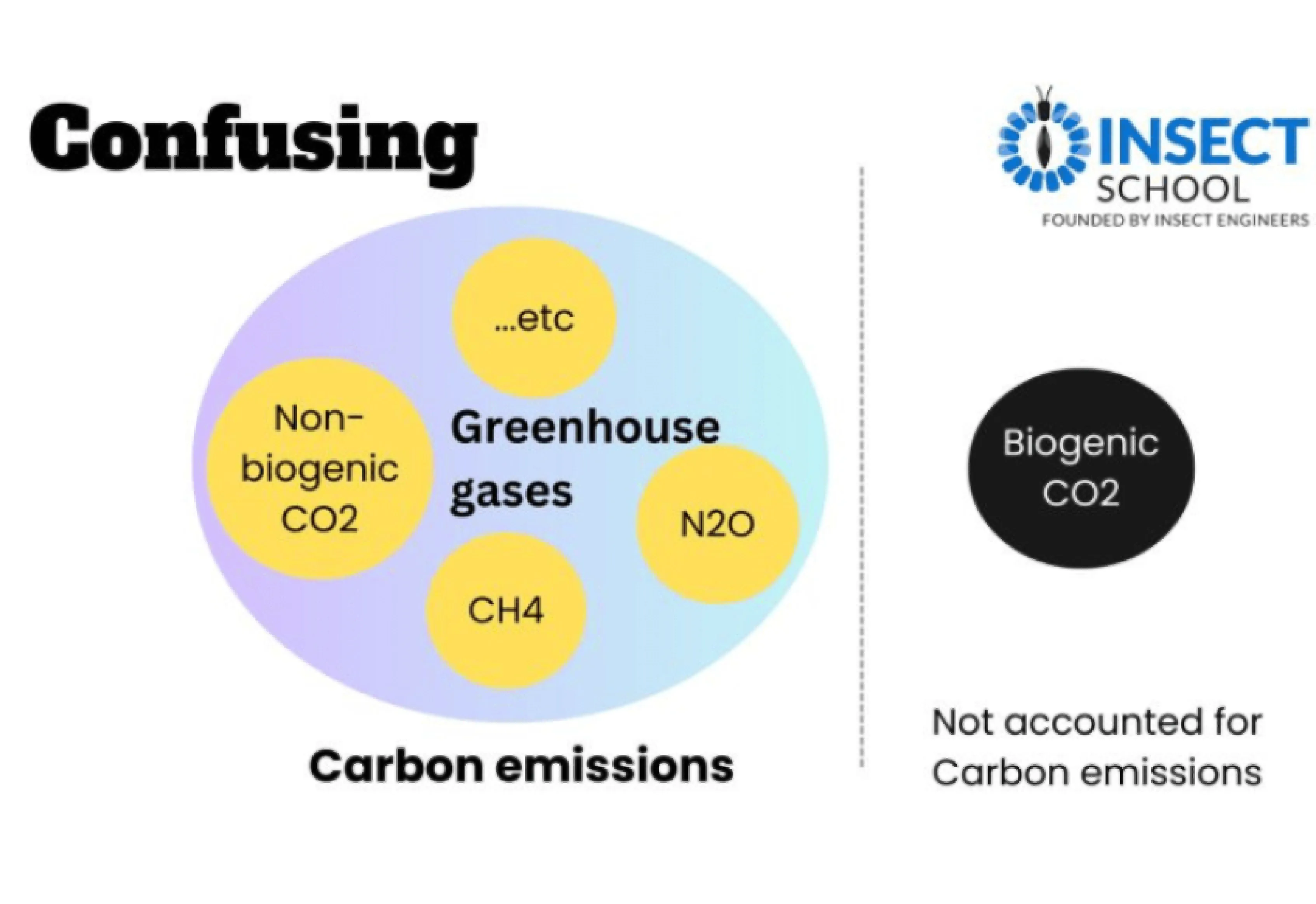
>>>>>>>>>>>>>>>>>>>>>>>>>>>>>>>>>>>>>>>>>>Lots of terms which get used, such as “greenhouse gases”, “CO2-equivalent”, carbon emissions, and what they all mean can get #confusing.
The main greenhouse gases (GHGs) include carbon dioxide (CO₂), methane (CH₄), nitrous oxide (N₂O), and ozone. These gases occur naturally in the atmosphere. However, human activities increase their levels. For example, burning fossil fuels releases large amounts of CO₂. As a result, this drives global warming and climate change.
Different GHGs remain in the atmosphere for different periods. They also trap heat at different rates. For instance, 1 kg of N₂O causes 298 times more warming than 1 kg of CO₂ over 100 years. Therefore, N₂O has a global warming potential (GWP) of 298.
CO₂ equivalent (CO₂e) provides a common unit to compare GHGs. It converts different gases into a single metric based on their GWP. To calculate CO₂e, multiply the amount of a gas by its GWP.
For example, 1 kg of N₂O equals 298 kg of CO₂e. As a result, CO₂e makes it easier to compare emissions across different gases.
The term “carbon emissions” can cause confusion. Sometimes it refers only to CO₂. In other cases, it includes all greenhouse gas emissions. However, not all GHGs contain carbon. N₂O is one example.
Today, many organizations report emissions using full GHG accounting. Therefore, CO₂e has become the standard way to measure and compare climate impact.
Comments on this post
Comment posted by Dominic Nwachukwu Loveson:
I love the knowledge I received on this plat from.