Black Soldier Fly Vision
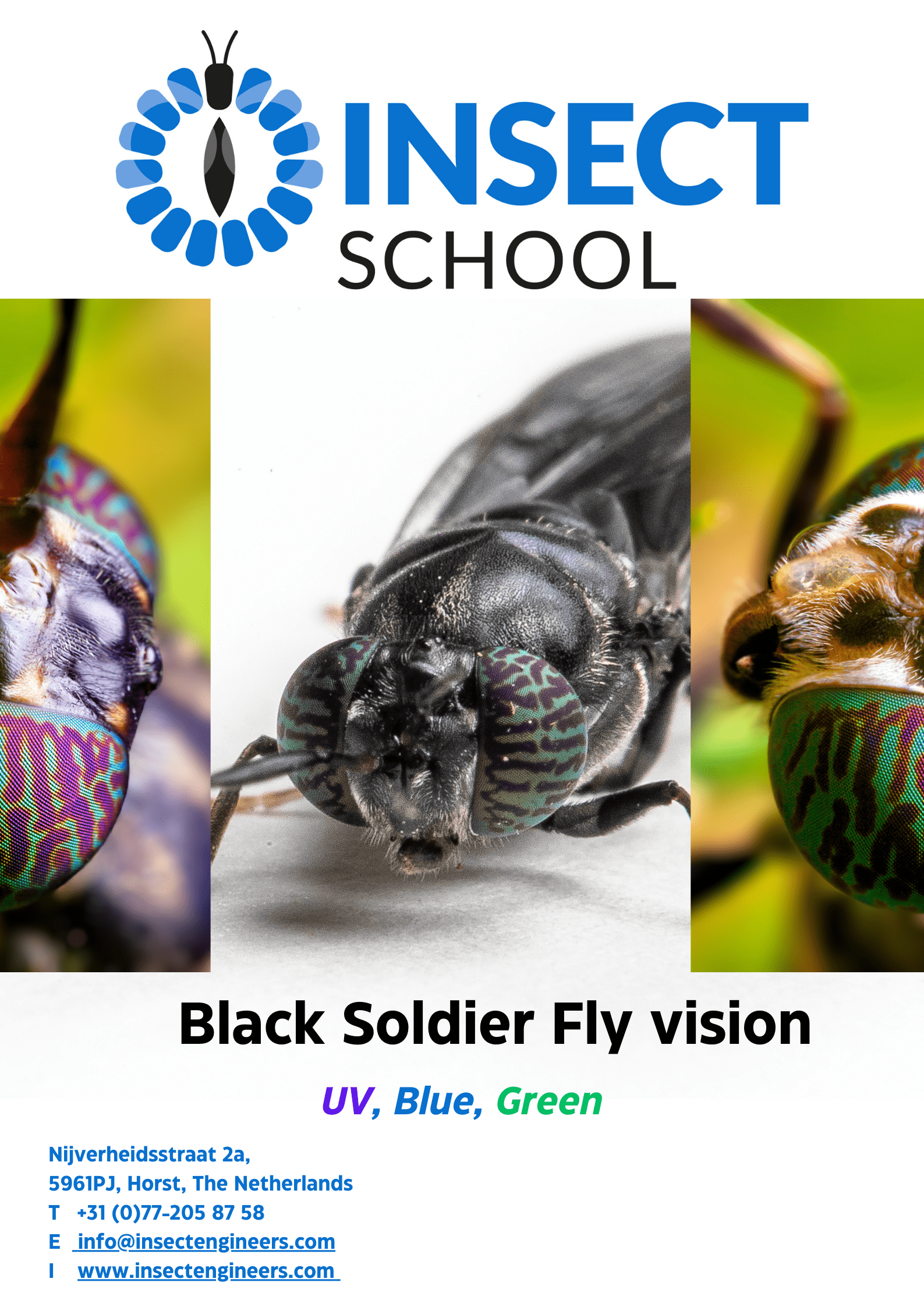
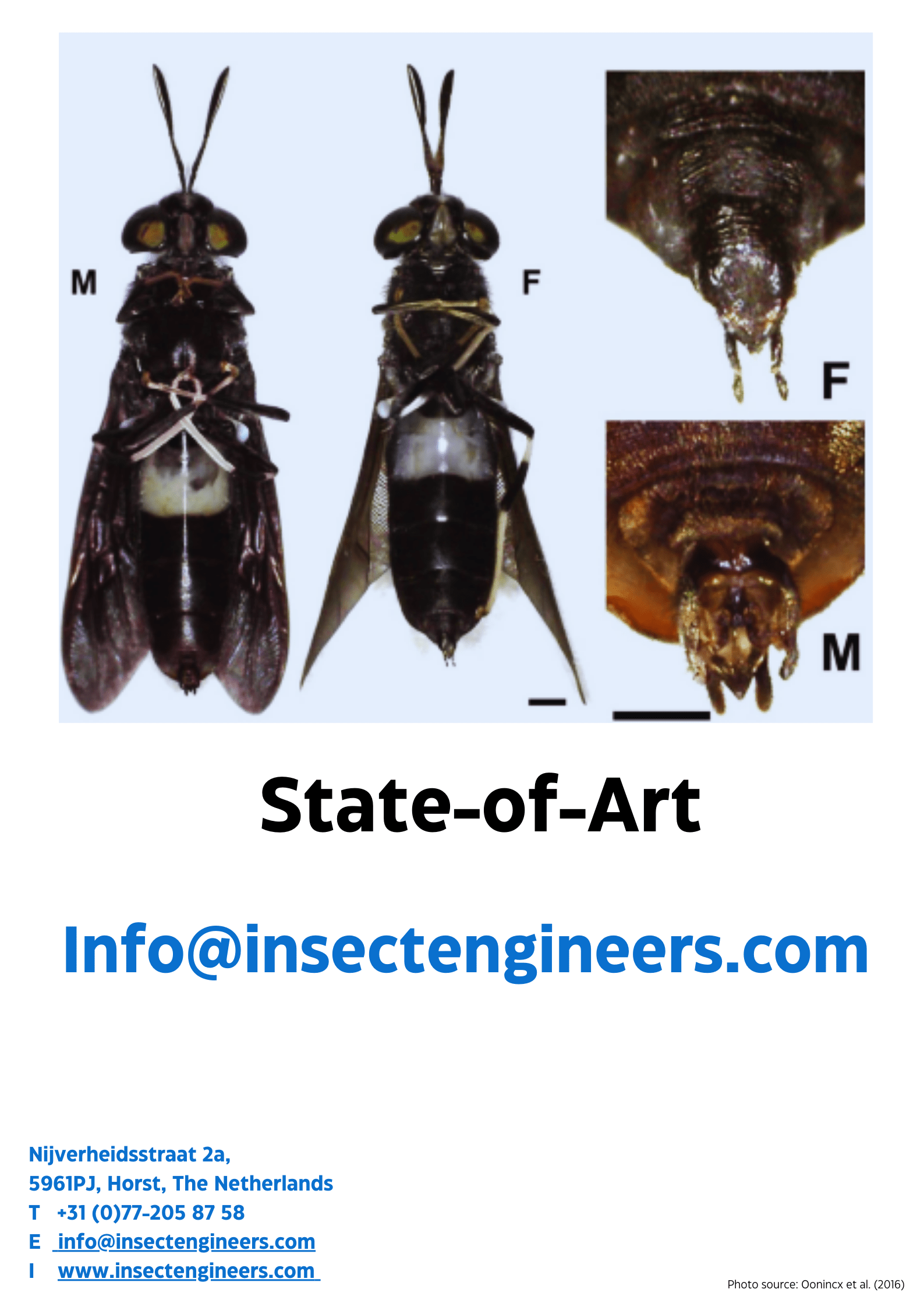
Black Solider Fly (BSF) vision biology plays a fundamental role in how adult Black Soldier Flies perceive light and respond to their environment, directly influencing behaviors such as navigation, mating, and reproduction. Understanding BSF vision biology helps explain why specific light wavelengths and conditions are critical for successful commercial breeding systems.
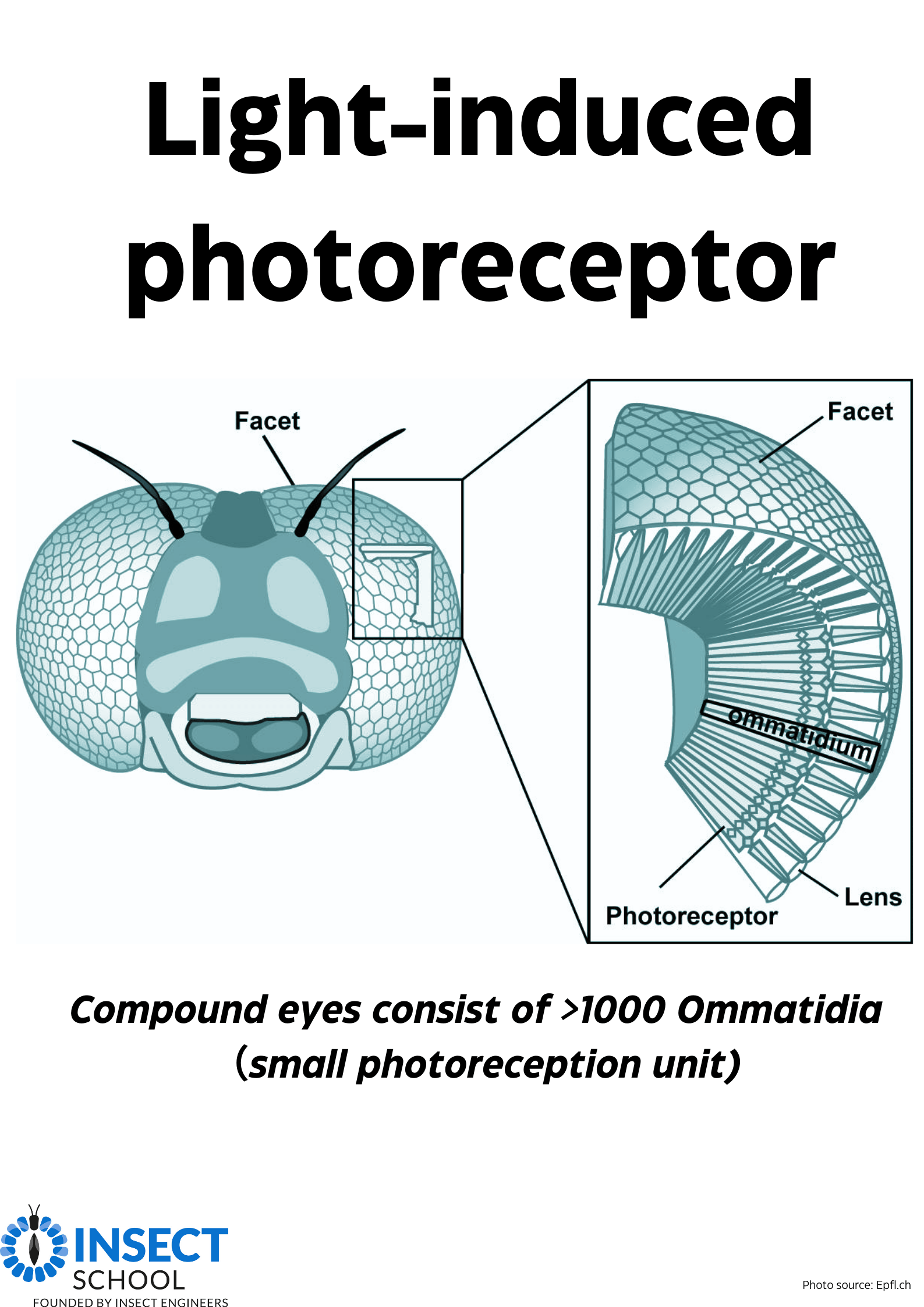
The visual system of adult BSF consists of two simple eyes (ocelli)and a pair of large compound eyes.
Ocelli allows flies to detect and response quickly to changes in light intensity, which can help them avoid obstacles and predators.
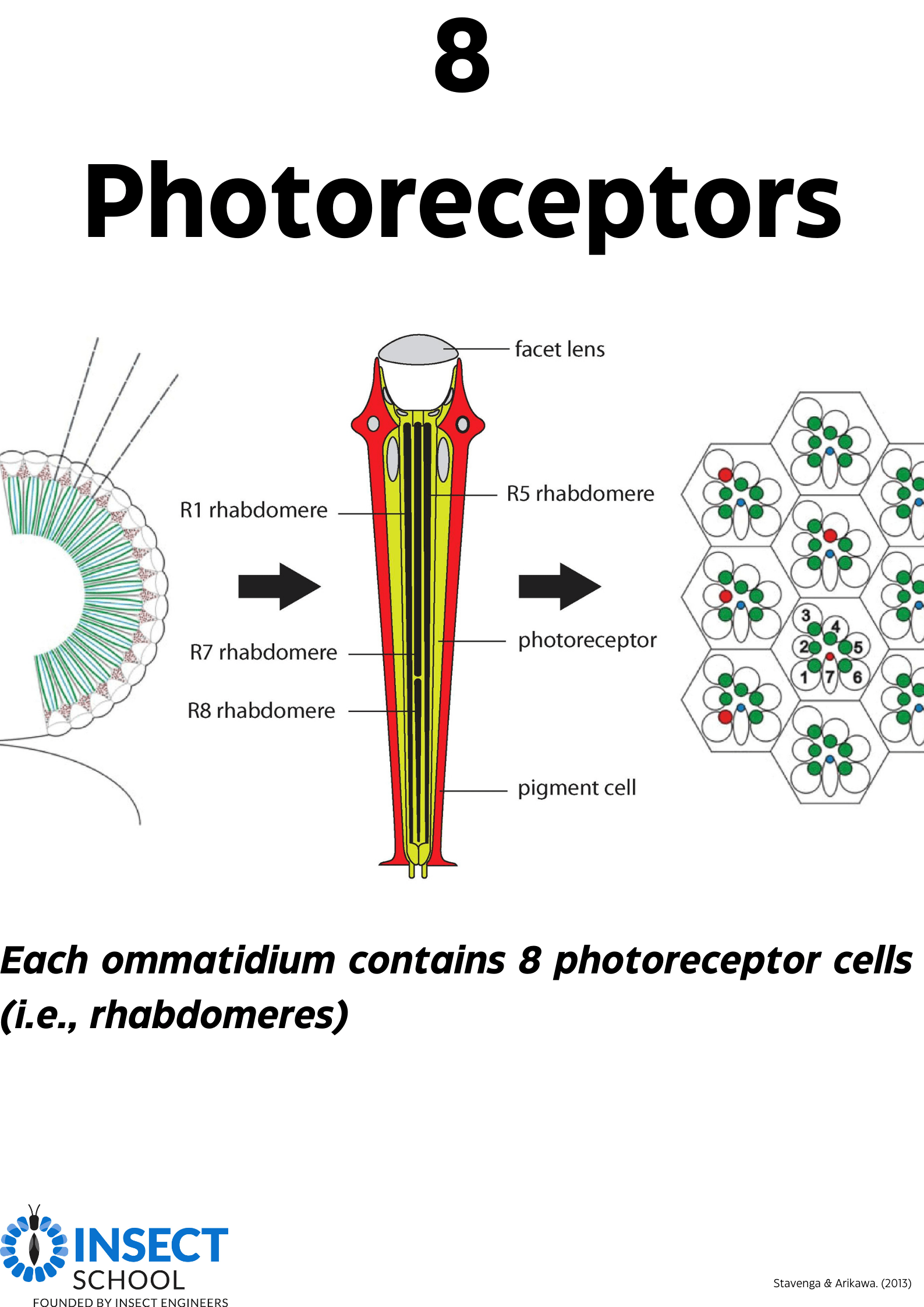
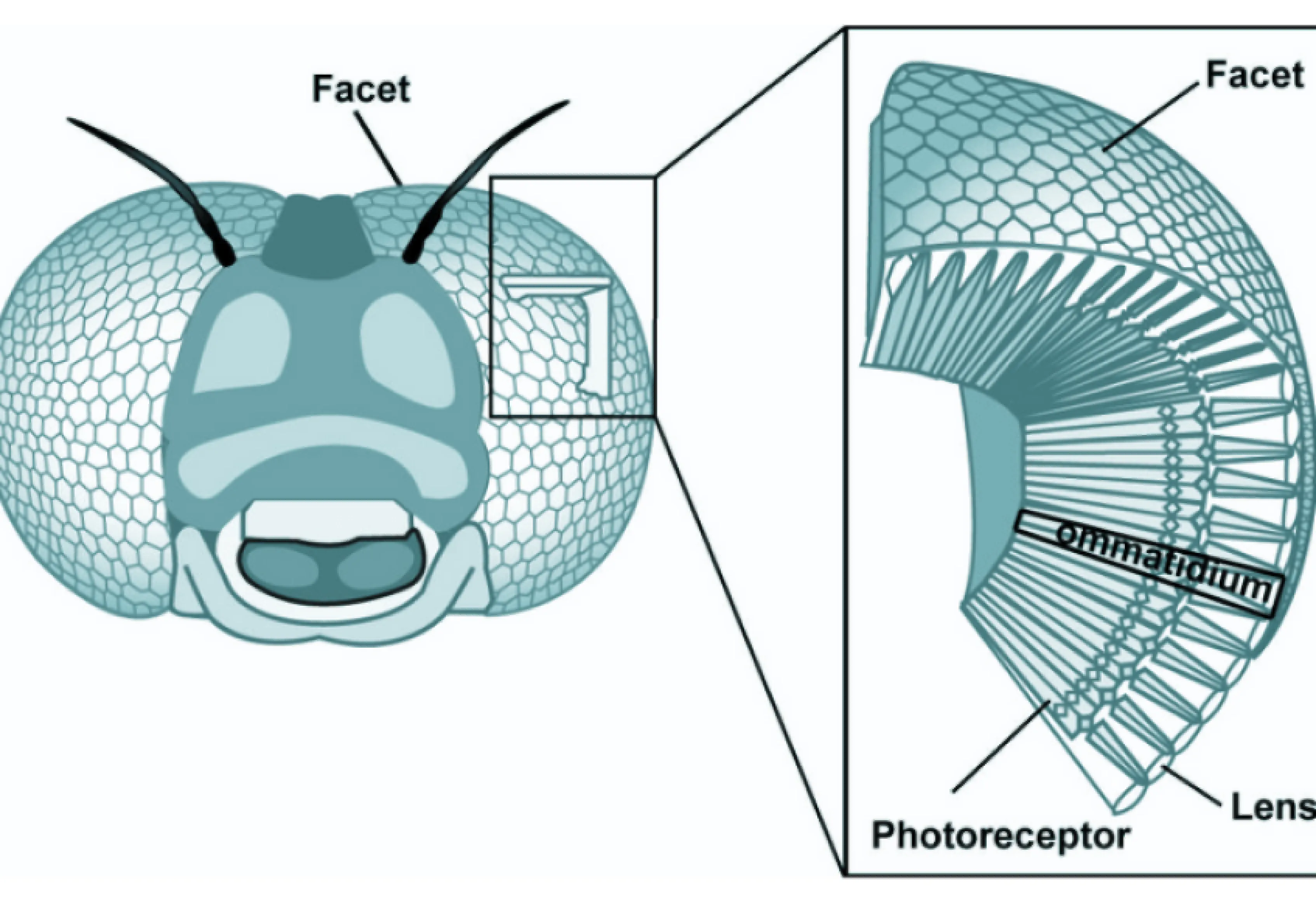
Compound eyes consist of >1000 small units, i.e., ommatidium. It contains 6 photosensitive parts, named as rhabdomeres (R1-R6), posited at the edge.
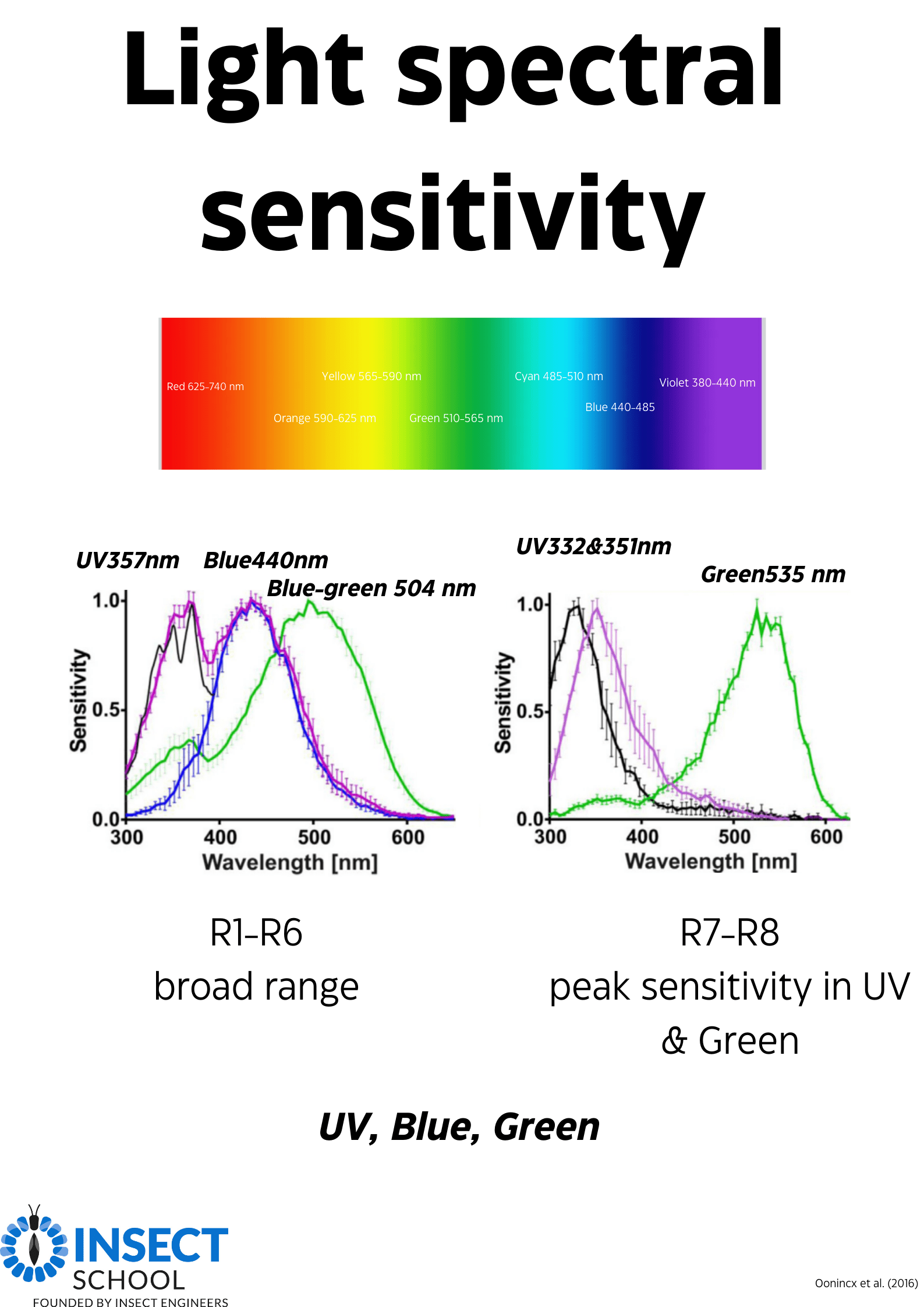
The rhabdomeres of two smaller cells (R7, R8) reside in the center of the ommatidium. R1-R6 represents a spectrally homogeneous class of photoreceptors with a broad spectral sensitivity, physiologically purpose for motion detection while less for color discrimination (except for Drosophila).
Photoreceptors R7 & R8 have narrow spectral sensitivities. Specifically, R7 has a peak sensitivity in the UV, while the R8 are most sensitive to blue or green light. Thus, photoreceptors R1-R8 enable BSF a version based on 3 channels, i.e., UV-blue-green.
Implications of BSF Vision Biology for Artificial Lighting Design
Understanding BSF vision biology provides practical guidance for designing effective lighting systems in commercial breeding environments. Since adult BSF rely on UV, blue, and green wavelengths for visual processing, farmers should select light sources that actively emit within this range. This alignment ensures that the insects can properly detect movement, locate mates, and respond to environmental cues.
In controlled environments, artificial lighting often replaces sunlight, making it essential to replicate the spectral composition that matches BSF vision biology. Light-emitting diodes (LEDs) are particularly suitable because they allow precise tuning of wavelength output. By incorporating UV (around 350–400 nm), blue (around 450 nm), and green (around 520 nm) light, farmers can create conditions that stimulate natural mating behavior.
Balancing Light Intensity and Color Temperature
Beyond spectral composition, both light intensity and color temperature influence how effectively BSF utilize their visual system. While BSF vision biology determines which wavelengths are detectable, intensity affects how strongly flies respond to those signals. Insufficient light may reduce activity levels, while excessive brightness can cause stress or disorientation.
Color temperature also interacts with spectral output. Cooler light sources (above 5000 K) tend to contain more blue wavelengths, which align with BSF sensitivity but may overstimulate the insects if used excessively. In contrast, moderate color temperatures that balance blue and green light often produce more stable behavioral responses.
Optimizing Breeding Outcomes Through Light Management
Applying knowledge of BSF vision biology allows farmers to optimize breeding performance more consistently throughout the year. Proper lighting design can improve mating frequency, increase egg production, and reduce seasonal variability caused by limited natural sunlight.
To achieve optimal results, farmers should combine the following strategies:
- Use full-spectrum or customized LED lighting aligned with BSF-sensitive wavelengths
- Maintain consistent light cycles to support stable circadian rhythms
- Avoid extreme color temperatures that may disrupt behavior
By integrating these principles, BSF vision biology becomes a powerful tool for improving efficiency and scalability in modern insect farming systems.